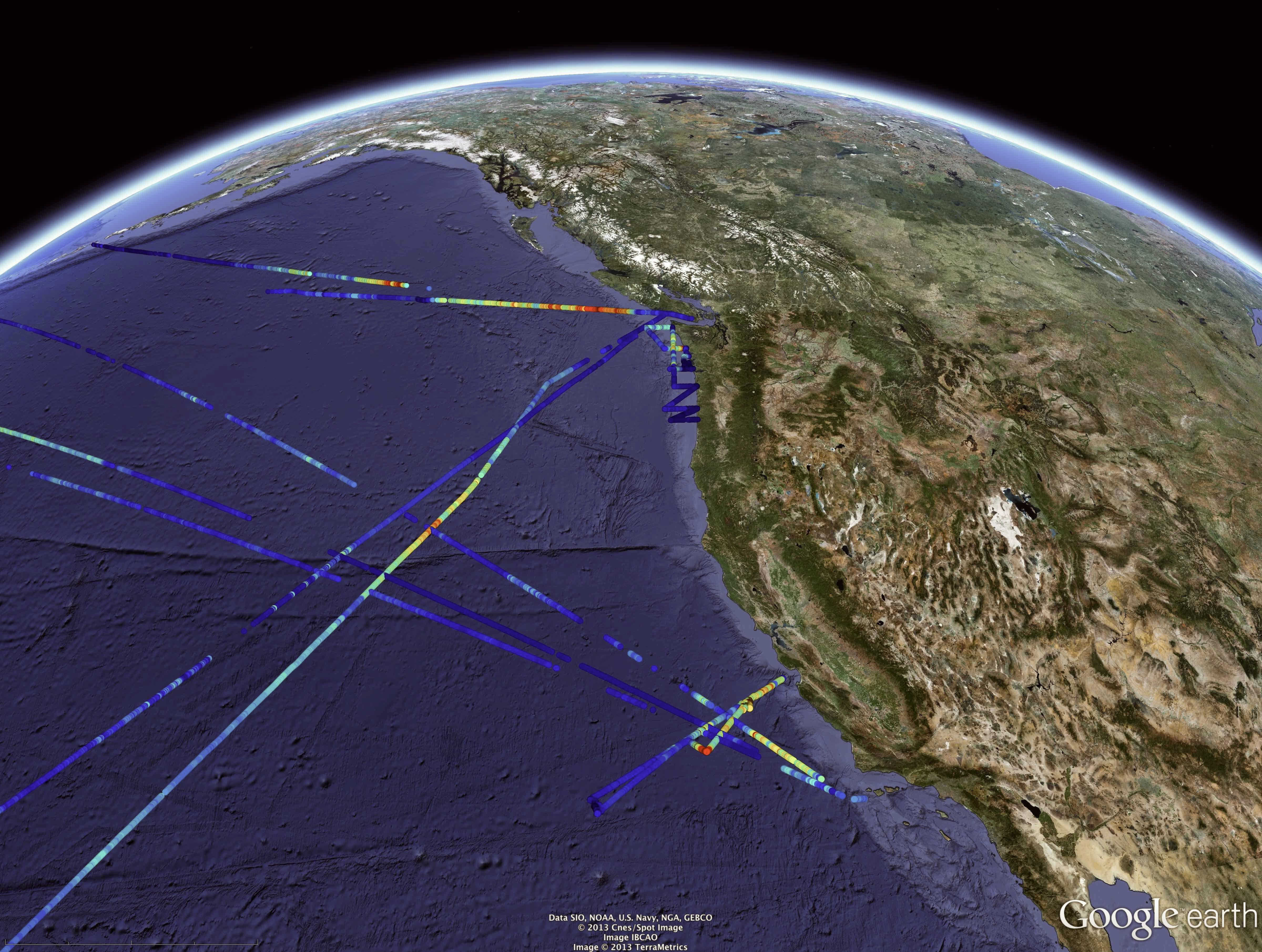
My research focuses on understanding how phytoplankton grow, survive, and shape marine ecosystems. These microscopic organisms are responsible for a large fraction of the ocean’s carbon uptake, yet we still know surprisingly little about what controls their populations in the ocean. My lab deploys shipboard flow cytometers, called SeaFlow, to measure the optical properties of individual cells across thousands of miles of ocean, and combines these observations with mathematical and statistical models to quantify their growth and survival. By linking these processes to environmental conditions, we aim to understand how marine ecosystems function today and how they will respond to future ocean change.
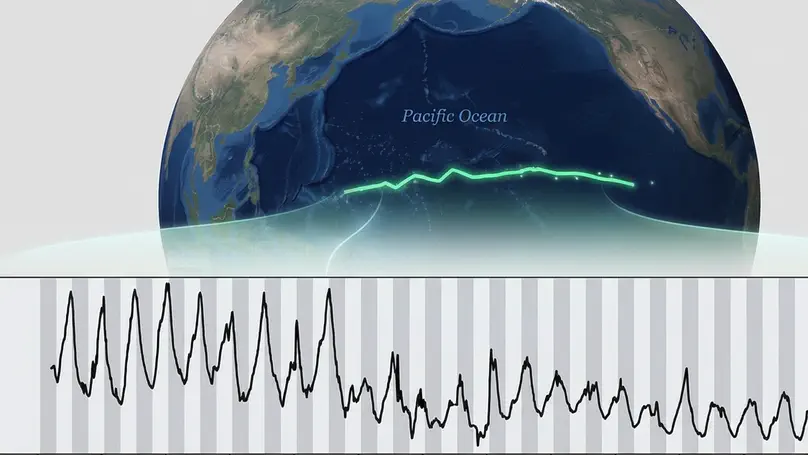
We use our custom-built SeaFlow flow cytometer to collect continuous, real-time observations of phytoplankton at sea. The instrument measures the size and fluorescence of individual cells every kilometer, capturing the fine-scale ecosystem structure that underlies larger patterns in ocean productivity and carbon cycling. Over the last decade, this automated system has analyzed more than 800 billion cells during nearly six global circumnavigations, revealing rapid shifts and small-scale processes that shape ecosystem dynamics across ocean basins.

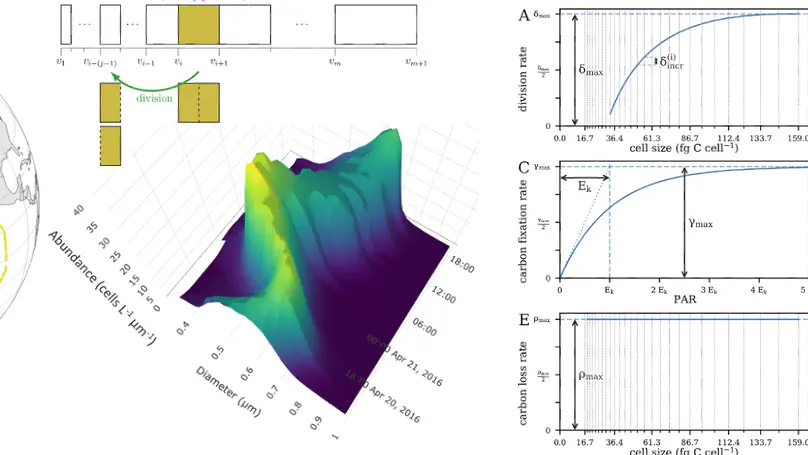
We use statistical models to extract biological insights from SeaFlow data. We develop population models to estimate key rates - such as growth, division and mortality - from the spatial and temporal changes in phytoplankton size distributions. By linking these rates to environmental conditions, we show how factors like temperature, nutrients, and light shape phytoplankton communities on a global scale.